

Case Study: Revolutionizing Marine Conservation with Electronic Monitoring Projeto Pesca/GEMARS: Pioneering Sustainable Fishing in Southern Brazil
Projeto Pesca, in partnership with the fishing communities of Torres and Passo de Torres, southern Brazil, has embarked on an ambitious journey to promote sustainable fishing practices and protect threatened marine species. A key element of this initiative is the innovative adoption of electronic monitoring systems to track and reduce bycatch - the incidental capture of non-target species.
Embracing Technology: The Shellcatch Virtual Observer Camera
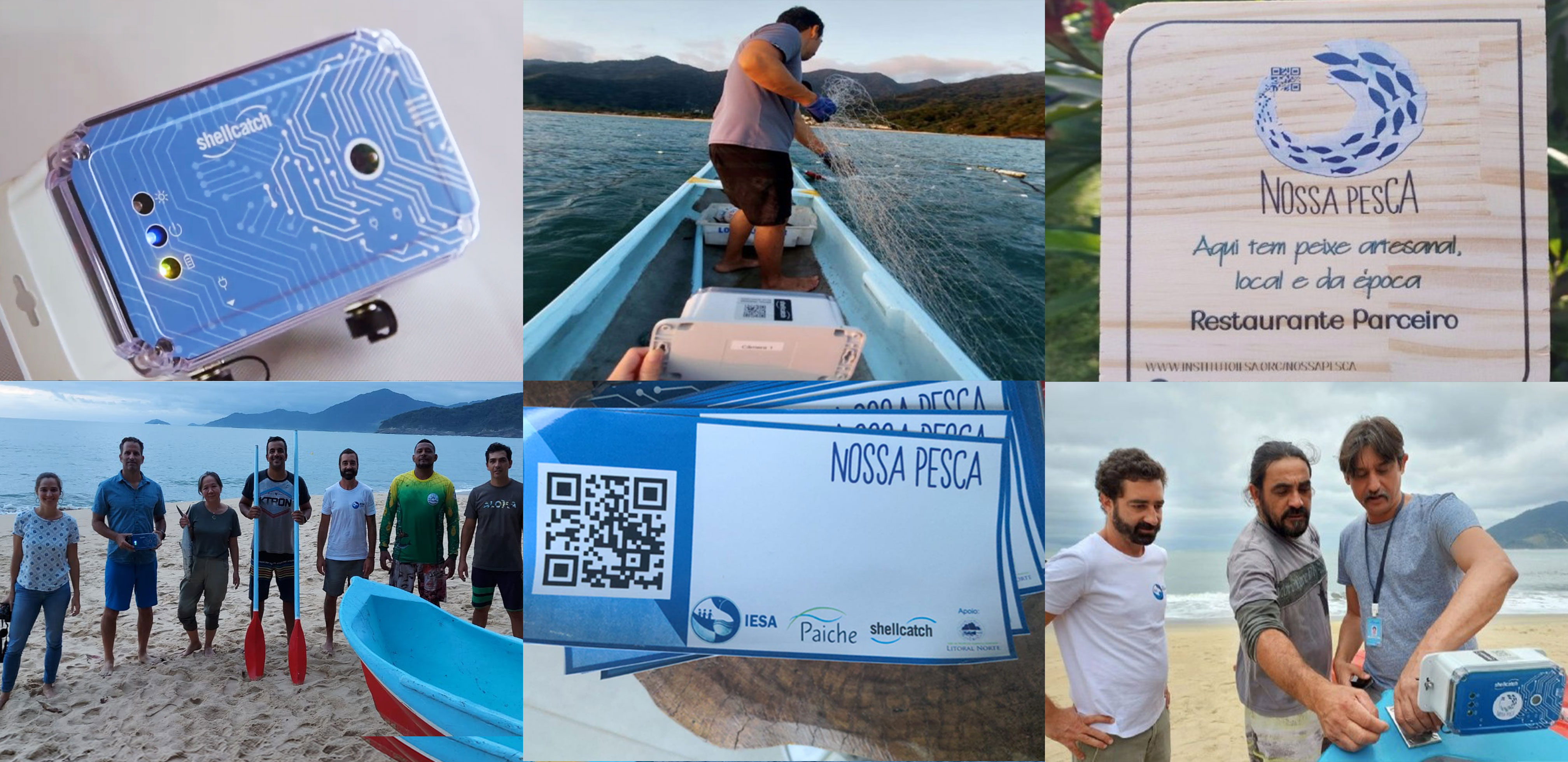
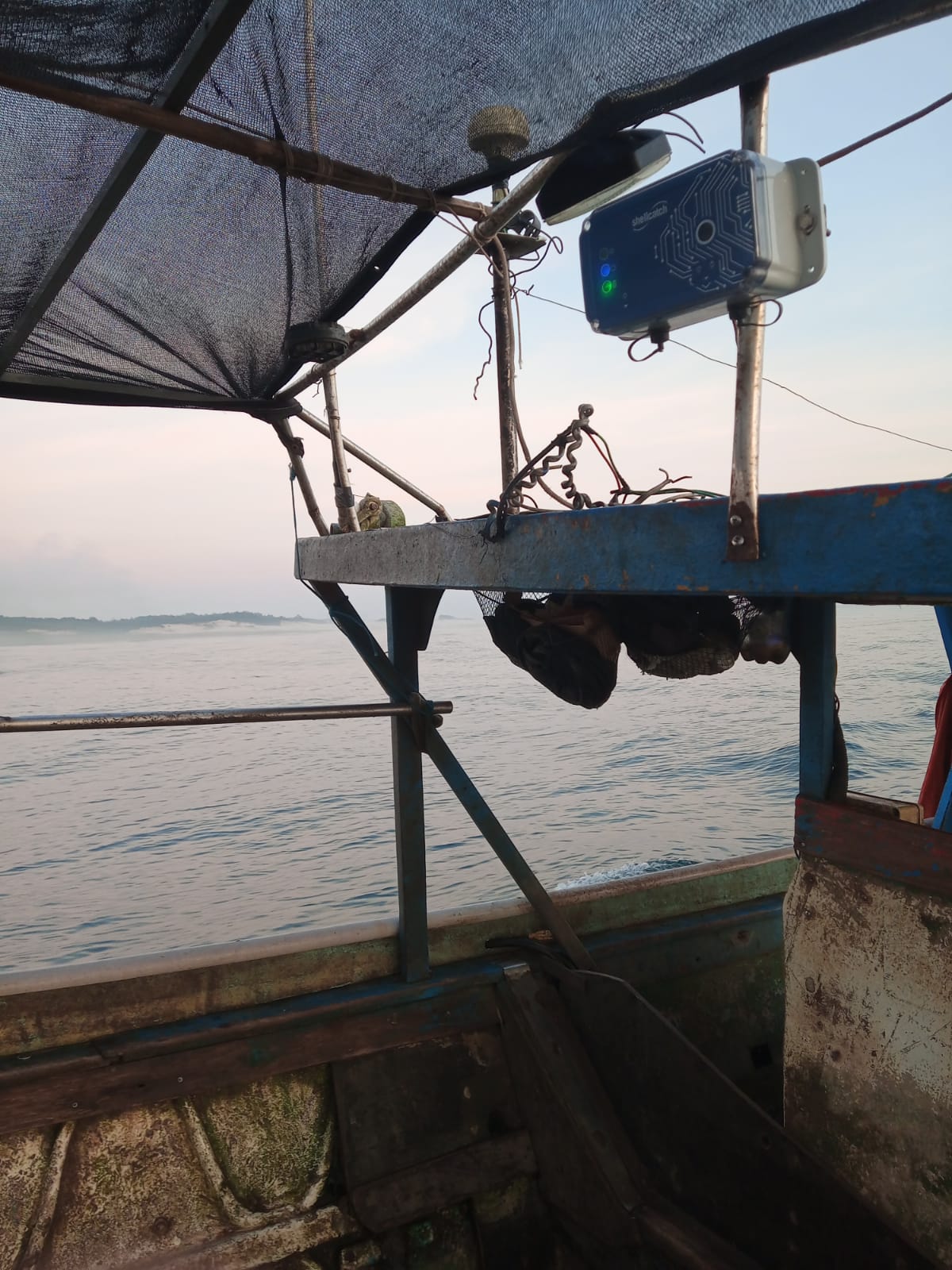
The introduction of the Shellcatch Virtual Observer camera represents a significant technological advancement in marine conservation efforts. This state-of-the-art electronic monitoring system has replaced traditional methods involving on-board observers and paper-based reporting, streamlining the process of bycatch monitoring.
A Seamless Transition: Federico's Perspective
Federico, the project leader of Projeto Pesca/GEMARS, reflects on the impact of this technological shift:
“Integrating the Shellcatch Virtual Observer camera into our conservation strategy has been a transformative experience. Its seamless installation and intuitive operation significantly simplified our monitoring processes. This technology has not only made it easier to track bycatch but also enhanced our ability to protect threatened species like the franciscana dolphin. It marks a significant step forward in our mission to ensure the long-term sustainability of marine ecosystems and local fishing communities.”
The Bigger Picture: Sustainable Fishing and Marine Conservation
The adoption of the Shellcatch Virtual Observer camera is more than just a technological upgrade; it signifies a paradigm shift in marine conservation practices. By leveraging advanced electronic monitoring, Projeto Pesca is setting a new standard for sustainable fishing. This approach not only aids in the immediate goal of reducing bycatch but also contributes to the broader objective of preserving marine biodiversity and supporting the livelihoods of local fishing communities.
Through this case study, Projeto Pesca, with the financial support of Yaqu Pacha e.V., demonstrates the profound impact that technology can have in advancing marine conservation. The successful implementation of the Shellcatch Virtual Observer camera is a testament to the power of innovative solutions in transforming the way we protect our oceans and their inhabitants.